
Lake Forest & Lake Bluff
Old-money North Shore anchor towns where historic member-owned clubs sit alongside newer daily-fee acquisitions. The contrast means two very different reporting standards operate within a few miles of each other.
Chicago's North Shore, Illinois
Senior fractional CFO leadership across Lake Forest, Glencoe, Winnetka, Glenview, and Highland Park — delivered remotely, on the board calendar.
A fractional CFO Chicago engagement looks different than it did a decade ago. A multi-billion-dollar acquisition of the nation's largest private-club operator is actively reshaping club ownership in this market, and capital is moving down-market into single-site clubs that once expected to stay member-owned indefinitely. Boards from Lake Forest to the northwest suburbs are now fielding approaches, management proposals and informal valuations — usually without a financial picture built to answer them.
That is where a fractional CFO North Shore relationship earns its keep. Century-old, member-owned institutions here increasingly need modernized, board-grade reporting to compete with consolidators on facilities and service, or to resist pressure from them with something more durable than sentiment. At least one high-profile local ownership dispute has already shown what happens when a club's financial structure is not aligned with its membership: the argument stops being about golf and becomes about documents no one prepared for scrutiny.
"When private equity is buying up clubs from Lake Forest to the Loop, the boards that keep control are the ones with real financial leadership already in the room."
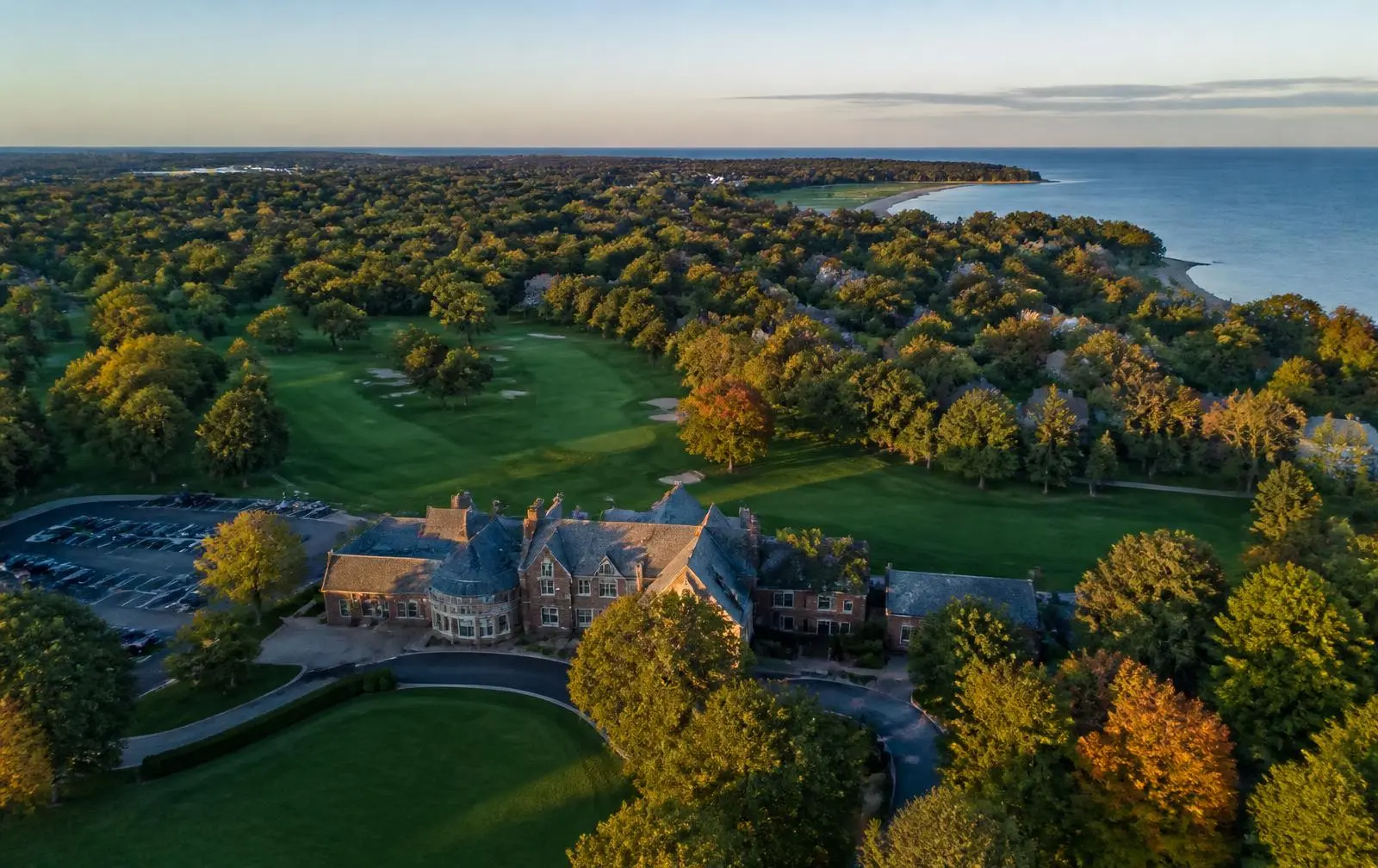
"A member-owned club keeps its independence the same way it keeps its course — with maintenance no one sees."
Old-money North Shore anchor towns where historic member-owned clubs sit alongside newer daily-fee acquisitions. The contrast means two very different reporting standards operate within a few miles of each other.
Home to some of the North Shore's oldest and most tradition-bound clubs. Long-tenured governance is a strength, and it works best when the financial reporting behind it is modern.
A hub for multi-site club-management firms now operating a dozen or more Chicago-area properties. Independent boards nearby are benchmarked, fairly or not, against how those operators run their books.
A cluster of legacy clubs serving the North Shore's northern communities. Aging facilities and long member tenure put reserve funding and dues strategy at the center of most board conversations.
Arlington Heights, Long Grove and Lake in the Hills are increasingly targeted by private-equity roll-ups acquiring member-owned clubs. Boards here are weighing offers that did not exist five years ago.
Serving clients beyond Chicago? See our Northern New Jersey and Pinehurst-Charlotte footprint.
5,411
Country clubs in the United States
Concentrated in the South, with Florida leading at about 459 — roughly 8.5% of the national total.
~40%
Average capital reserve underfunding
Even as roughly 60% of private clubs raise capital expenditure budgets.
50–55%
Share of a club operating budget
Typically consumed by payroll and benefits, before a single capital dollar is committed.
A monthly packet a board can read in ten minutes, with written commentary and a general manager who is never surprised by it.
Budgets built from operating reality, dues scenarios modeled before they reach the membership, and forecasts that get revisited rather than filed.
Reserve studies converted into funded multi-year plans, with project sequencing and debt service modeled against actual cash.
Prime cost, labor productivity and outlet-level contribution tracked closely enough to act on mid-month rather than mid-year.
Clean schedules, documented controls and 501(c)(7) discipline that hold up under an auditor's or an examiner's questions.
Senior financial judgment beside the general manager and the owner, without the cost or permanence of a full-time hire.
Boards in Lake Forest, Winnetka and Glenview rarely open with the phrase “fractional CFO”. They ask for an outsourced CFO, a part-time CFO, or simply someone senior to sit with the finance committee. The arrangement is the same one.
Owners and boards describe what they are looking for in several ways: fractional CFO, outsourced CFO services, part-time CFO, virtual CFO, interim CFO, or simply CFO consulting and advisory services. In practice they are asking for the same thing: a chief financial officer's judgment on a defined cadence, without a full-time chief financial officer's salary.
The one meaningful distinction is duration. An interim CFO fills a vacant seat temporarily until it is filled permanently. A fractional or part-time CFO is a permanent arrangement at partial capacity — the ongoing model most North Shore clubs, hospitality groups and owner-led businesses in our practice choose, because the need is continuous even when the hours are not.
In practice, yes. Fractional, outsourced, part-time and virtual CFO all describe CFO-level judgment delivered on a defined cadence rather than as a full-time hire. Interim CFO is the one real distinction, because it is temporary cover for a vacant seat. Most North Shore club engagements are ongoing rather than interim.
The North Shore and greater Chicago are covered as one market, and engagements are run remotely on the board and finance committee cadence. In-person attendance for key meetings such as budget approvals and capital decisions can be arranged on request.
Understand your own numbers before you respond. A member-owned board negotiates from strength when it already has defensible departmental margins, a funded reserve plan and a credible multi-year forecast rather than a set of historical statements.
It does not have to be. We keep the governance structure and the committee cadence intact and change what the reporting shows, so the board gets a clearer picture without a change in how the club is run.
The controller keeps the ledger and the general manager keeps operations. The CFO sits above both on forecasting, capital planning, dues and initiation modeling, lender relationships and board reporting. The roles are complementary rather than overlapping.
For the model itself, see what a fractional CFO actually does and our private club CFO practice. Boards weighing outside ownership should review private club CFO alternatives alongside board financial reporting.
Tell us how your organization is governed, what your board sees each month, and what pressure — internal or external — is shaping the next few years. If a fractional engagement is the right fit we will say so, and if it is not, we will tell you what we would suggest instead.
Schedule a Conversation